
H2 for shipping: the rise of e-methanol, ammonia, and LH2
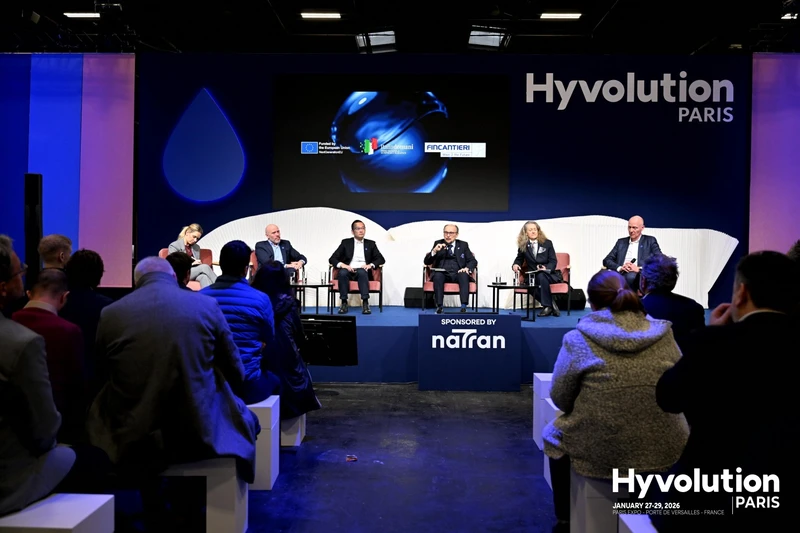
Below is the full summary of the roundtable “H2 for shipping: the rise of e‑methanol, ammonia, and LH2”, presented on the Main Stage of Hyvolution Paris 2026.
Context and Challenges
Shipping faces one of the largest decarbonisation challenges, due to long asset lifetimes, global operations, safety requirements and the need for high energy-density fuels, leaving no single solution.
The discussion focuses on the current state of hydrogen-based solutions in shipping, looking at technology readiness, projects, and commercial volumes, while examining regulatory gaps and what is currently holding deployment back.
Perspective
Shipping has entered a scale-up and bankability phase: the priority is no longer to prove technical feasibility, but to create predictable market conditions that align demand, supply and infrastructure and enable investment decisions across the value chain.
Main messages
1. Hydrogen-based solutions for shipping are moving beyond pilots, but scale-up now depends on market and regulatory conditions rather than technology
- Madadh MacLaine shows that hydrogen vessels are already in operation and under construction, with progress on liquid hydrogen bunkering and port infrastructure, supporting the view that core technologies are increasingly mature.
- Paolo Guglia nuances that there is no single fuel pathway for shipping, as deployment depends on vessel type, operational profile and fuel availability, making infrastructure and system integration decisive for scale-up.
2. The main pain point is not technical readiness, but the lack of bankable demand and long-term predictability to trigger FIDs
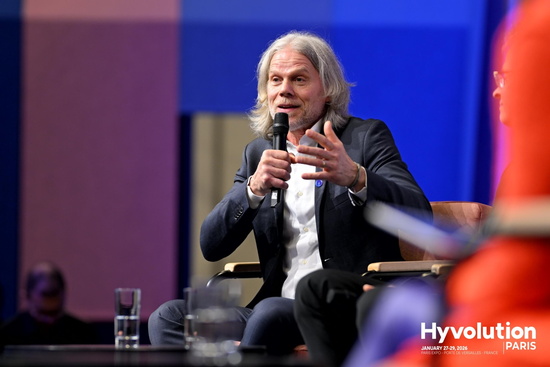
- Thomas Bjordal stresses that the sector cannot scale with a limited number of early customers, and that reducing risk and improving predictability for shipowners are essential to move from a handful of vessels to fleet-level deployment.
- Sébastien Zimmer confirms this diagnosis with project data, showing a large pipe in Europe but a very low FID conversion rate, driven by insufficient long-term visibility and weak alignment between production projects and committed demand.
3. Market design and long-term public commitment are critical to bridge the cost gap and unlock private investment
- Sébastien Zimmer argues that Europe’s current framework is overly focused on short-term pricing and fragmented rules, which does not effectively trigger investment decisions, unlike more integrated approaches observed in Asia.
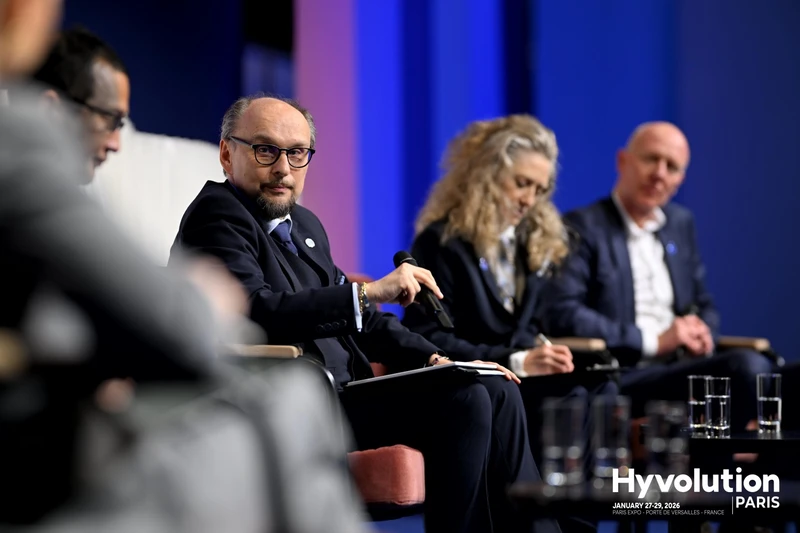
- Thomas Bjordal and Taku Hasegawa converge on the need for instruments such as Contracts for Difference and long-term public commitment to de-risk first movers and enable both industrial investment and large-scale deployment.
Key takeaways
- From pilot to fleet deployment: the challenge is now replication at scale, not technical feasibility.
- Market design and predictability: aligning infrastructure, fuel availability and bankable contracting are key to unlock investment decisions.
Speakers





Analytical synthesis courtesy of SIA Partners