

topics
🎫 Get your badge
where hydrogen value chains become viable markets
The hydrogen industry is entering a new phase. The challenge is no longer to demonstrate the potential of hydrogen, but to create viable markets, secure investments and accelerate large-scale deployment.
Hyvolution Paris 2027 brings together industry leaders, policymakers, investors and end users to address the strategic questions shaping the future of the sector.
Across six thematic tracks, the 2027 conference program explores the technologies, business models, infrastructures and regulatory frameworks needed to transform hydrogen ambitions into industrial reality.

©istockphoto
💰 MARKET DEVELOPMENT
Creating viable hydrogen markets
Scaling up production alone will not create a hydrogen market. Demand must develop, offtake must be secured and the right conditions for investment must be in place. This track explores the levers needed to turn opportunities into viable markets, from offtake mechanisms and project bankability to competitiveness and international market development. The focus is on identifying where demand is emerging and what it will take to turn opportunities into real projects.
©istockphoto
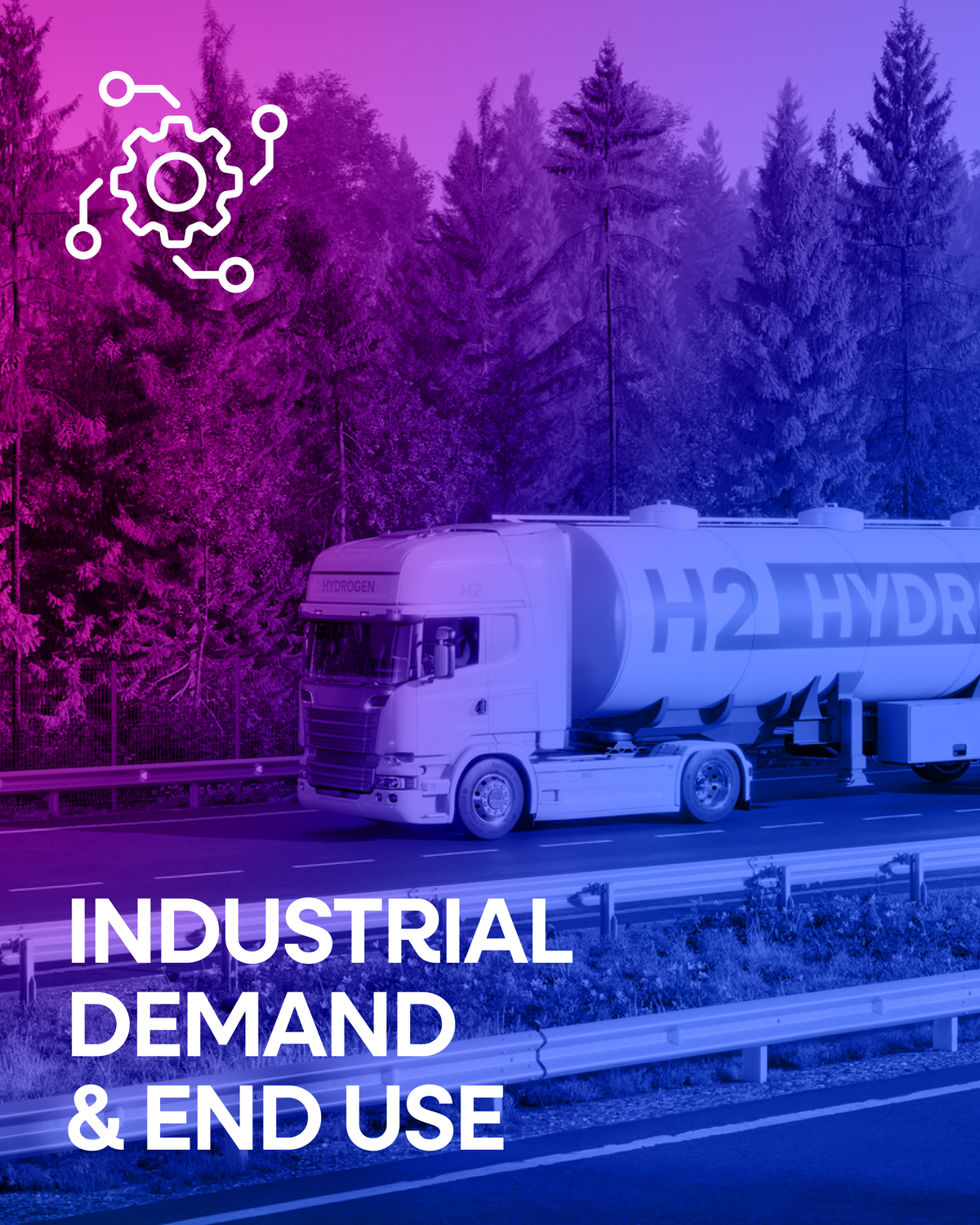
⚙️ INDUSTRIAL DEMAND & END-USE
Where hydrogen creates value
Who will need hydrogen, for which applications and under what conditions? From steel and fertilizers to maritime and aviation fuels, mobility and defense applications, this track explores the sectors that could shape future demand. It examines end-user requirements, available solutions and the conditions needed to turn potential applications into practical, competitive uses.

©istockphoto
🌍 INFRASTRUCTURE & TRADE
Connecting global hydrogen markets
Connecting hydrogen production with centres of demand is essential to market development. Pipelines, storage, supply corridors, ports and international trade all play a role in building interconnected markets. This track examines the infrastructure and logistics required to move hydrogen and its derivatives, alongside the role of exporting countries and emerging markets in shaping global supply chains.

©istockphoto
⚖️ MARKET FRAMEWORKS
Creating a favourable investment environment
Clear, predictable rules are essential to unlock investment and build demand. This track examines the market mechanisms, regulatory frameworks and support schemes shaping hydrogen development. It explores how greater clarity and predictability can reduce uncertainty, improve visibility for industry players and create the conditions needed to move projects forward.

©istockphoto
🚀 TECHNOLOGIES & SCALE
Accelerating industrial deployment
Which innovations will help the hydrogen sector reach its next stage of development? From liquid hydrogen and natural hydrogen to R&D and technology industrialization, this track explores advances that could improve performance, reduce costs and accelerate deployment. It focuses on the journey from innovation to market: how research breakthroughs and emerging solutions can become reliable, competitive applications at scale.
©istockphoto
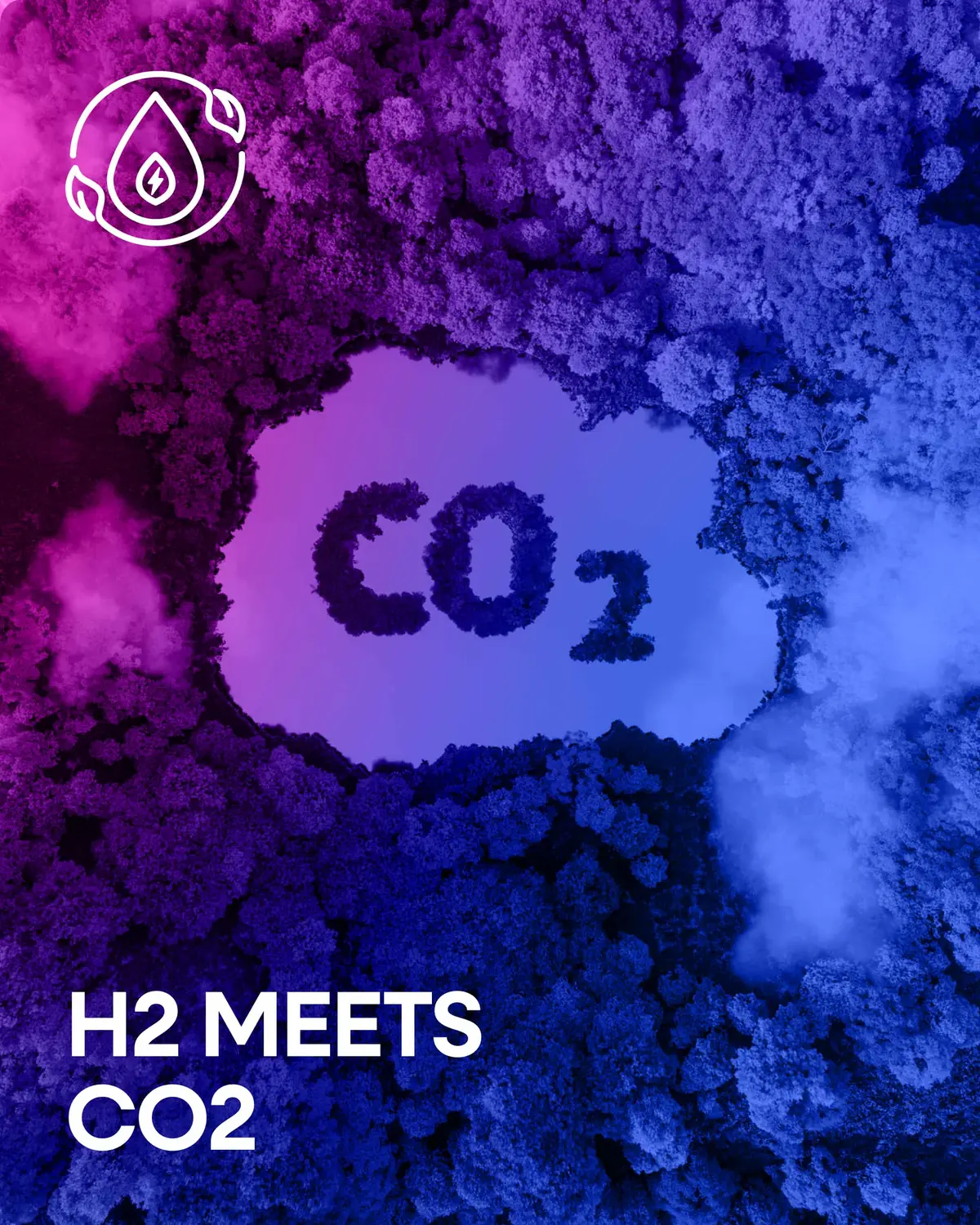
♻️ H2 MEETS CO2
New opportunities for decarbonisation
Carbon availability can be a decisive factor in the location and viability of projects combining hydrogen and CO2. Where will the required CO2 come from, how will it be captured, transported and used, and how will this shape emerging value chains? This track explores carbon sourcing and the conditions needed to develop new pathways, including synthetic fuels and other CO2 utilization applications.